A Rolex isn’t worn for attention, it’s worn for the story it represents.
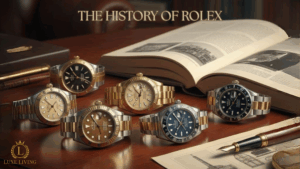
In the world of luxury, few names shine as brightly as Rolex. It’s more than a watch brand, it’s a global symbol
of success, confidence and timeless taste. Whether it appears on a red carpet, inside a private jet or in a
powerful boardroom, a Rolex instantly elevates the moment. But this iconic status didn’t happen overnight.
The rise of Rolex is a journey built on vision, innovation and a level of excellence the world had never
experienced before.
The story begins in 1905 with a 24-year-old entrepreneur named Hans Wilsdorf. At a time when pocket
watches ruled the market, Hans believed the future was on the wrist. He wanted to create wristwatches that
were not only elegant but just as accurate as pocket watches, a bold idea for that era. He opened a small
company in London and soon realized he needed a name that was international, simple and memorable. That
name became “Rolex,” short and striking enough to travel the world. His belief in quality paid off early. In
1910, Rolex became the first wristwatch brand to receive a Swiss certificate for accuracy, instantly proving
that wristwatches could be dependable precision instruments.
From that moment forward, Rolex refused to follow trends, it created them. In 1926, the brand introduced the
world’s first waterproof wristwatch called the Oyster. To prove it, Rolex placed the watch on swimmer
Mercedes Gleitze during her attempt to cross the English Channel. After hours in icy water, the watch
remained perfectly functional, capturing global attention and positioning Rolex as a leader in innovation.
Just a few years later, in 1931, Rolex introduced another breakthrough, the Perpetual movement, the first
self-winding rotor system. This invention became the foundation for almost every modern automatic watch at
luxury standards. Rolex continued building its reputation through the mid-20th century with models that
eventually became icons. The Datejust arrived in 1945 as the first watch with a self-changing date. In 1953,
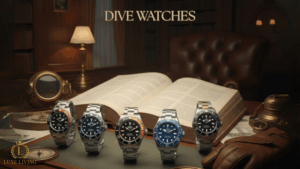
the Submariner changed the diving world and eventually became one of the most recognizable watches in
history. The GMT-Master followed in 1955, crafted for pilots traveling across time zones and in 1956, the
Day-Date made history as the first watch to display the full day and date, earning its nickname “The
President’s Watch.”
By the 1960s and beyond, Rolex had already stepped beyond watchmaking and entered cultural history. It
became the watch worn during some of humanity’s greatest achievements. A special Rolex even travelled to
the bottom of the Mariana Trench, the deepest point in the world, in 1960, surviving extreme pressure without
damage. Meanwhile, Hollywood legends like Paul Newman and Steve McQueen turned certain Rolex models
into symbols of effortless style. Explorers, athletes, mountaineers and world leaders wore Rolex as they made
history and slowly the brand transformed into something bigger than a watch, it became a universal symbol of
ambition.
Today, Rolex continues to dominate the luxury world with the same quiet confidence it built over the last
century. Each watch is hand-assembled, tested for perfection and crafted using materials developed in Rolex’s
own laboratories. The brand releases very few models each year and maintains its production carefully,
prioritizing quality over quantity. This discipline is exactly why demand keeps rising, owning a Rolex means
owning something rare, meaningful and lasting.
A Rolex is never just a timepiece. It’s a celebration of achievement, a marker of personal success and a piece
of history that lives on the wrist. At Luxe Living, we celebrate this vision, honouring the legacy and ambition
that Rolex represents. From its humble beginnings in 1905 to its position today as the world’s most desired
luxury watch brand, Rolex has proven that true luxury is timeless. It doesn’t fade, it evolves, and it never stops
inspiring those who wear it.
Join the journey
Dream it – Live it.
Mike Parker & AJ Singh